Dentures are an excellent alternative to any other form of teeth replacement option that is designed for people who have lost their tooth or teeth due to various reasons. You can get this orthodontic device in place of the missing teeth so that it will act and feel like natural teeth. These false teeth are very important as it allows you to speak, chew, smile and carry on other important functions that are performed by natural teeth.
You can either opt for fixed, removable, full or partial dentures based on the number of missing teeth and your preference for wearing the dentures. Regardless of whether you have lost your teeth due to injury, accident, tooth decay or gum disease, you can easily get the best orthodontic treatment for replacing your missing teeth. It will help you to speak properly, chew your food and smile confidently because you’re missing teeth will no longer become a deterrent from carrying on with your everyday activities. Your ohio dental office will be able to help you with your missing teeth.
Additionally, missing teeth might make your facial muscles sag and you will look older than your age. But when you wear dentures, you will get teeth that will function like natural teeth and your smile will also be improved. 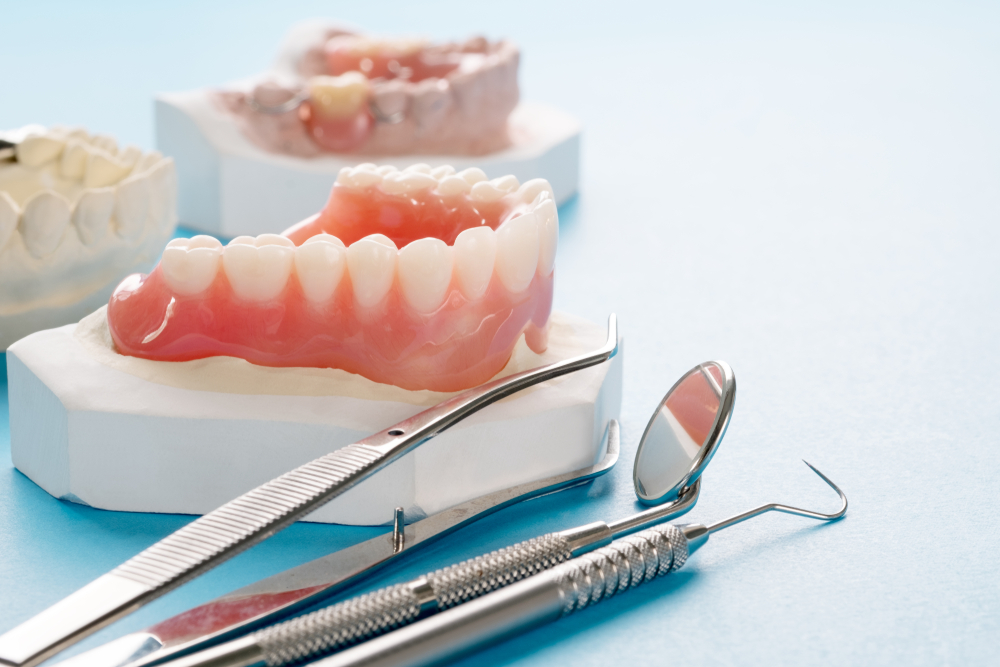
There are many benefits of wearing dentures and the most important benefit is that it is a less invasive procedure that does not cause any kind of pain or discomfort. There is short healing and surgery time so that you can easily get the dentures in place of your missing teeth. These dental appliances are very robust and long-lasting as compared to other alternatives so that you will get a more youthful and natural look.
Additionally, it is a low maintenance option where you don’t have to worry about cleaning or maintaining the dentures as it will function efficiently for a long period of time. Your confidence level will become higher when you get a replacement for your missing teeth so that you will get a beautiful, bright and attractive smile. The advanced technology of dentures has made it possible to carry on a wide variety of functions like natural teeth without facing any kind of inconvenience.
You will get a comfortable, functional and aesthetically pleasing option that will help your teeth to function in an optimal manner. There is no need of worrying about oral bone loss because the dentures will help you get a high-quality option for your needs.
Dentures are the most popular restorative treatment that helps in replacing your missing tooth or teeth so that you will not suffer from low confidence or self-esteem. You will get a full beautiful smile when you wear a denture so that the function of your mouth will be improved. You will need to make a dentist appointment and get x-ray of your teeth done so that you will get the best results. The dentist will measure your teeth and will make dentures that will fit perfectly in place of the missing teeth.
You will have to select the best material of the dentures as well as determine whether you want permanent or temporary dentures so that you will get the most feasible option for your needs.
 There are many other issues that are treated through this surgery which includes impacted teeth, facial pain, facial disproportion, salivary gland diseases, cancers, and facial injuries. This is the most popular and effective oral surgery procedure that is used for treating many serious dental problems including treatment for tmj disorders, pro-prosthetic and bone surgery, sleep apnea treatments and acute treatment and emergency care for facial trauma.
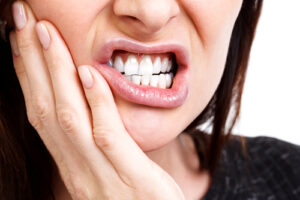 There are several symptoms of gum disease, and a person can depict several common signs depending on the severity of the disease. One can have bad taste in their mouth with a constant mouth odor. Swollen gums tend to bleed during brushing or flossing. Plaques stuck on the gums and gums that seem to be moving away from the teeth. Pus can also be found between the teeth gums, changes in the teeth structure, and the dental formula, and lastly, loss of teeth.
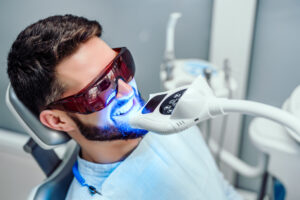 All types of teeth brightening speak to a brief affectability. Individuals who as of now have a few issues are more the most powerless. Thus, the dental specialist may endorse some calming drugs before the main brightening meeting.
 Additionally, flossing can also make your teeth look brighter, healthier and pearly white so that you will get a beautiful smile. Therefore, it is important that you use a dental floss regularly for removing the excess food particles from the surface of the teeth. It will even remove the food from the hard to reach places of your teeth that cannot be reached with the help of a toothbrush. Therefore, it is important that you practice good oral hygiene by cleaning, brushing and flossing your teeth regularly so that dental plaque and debris can be removed effectively.